
 Say hello!
 16990 Dallas Pkwy, Suite 206
 info@lynkedup.tech
 +1 866-259-6533
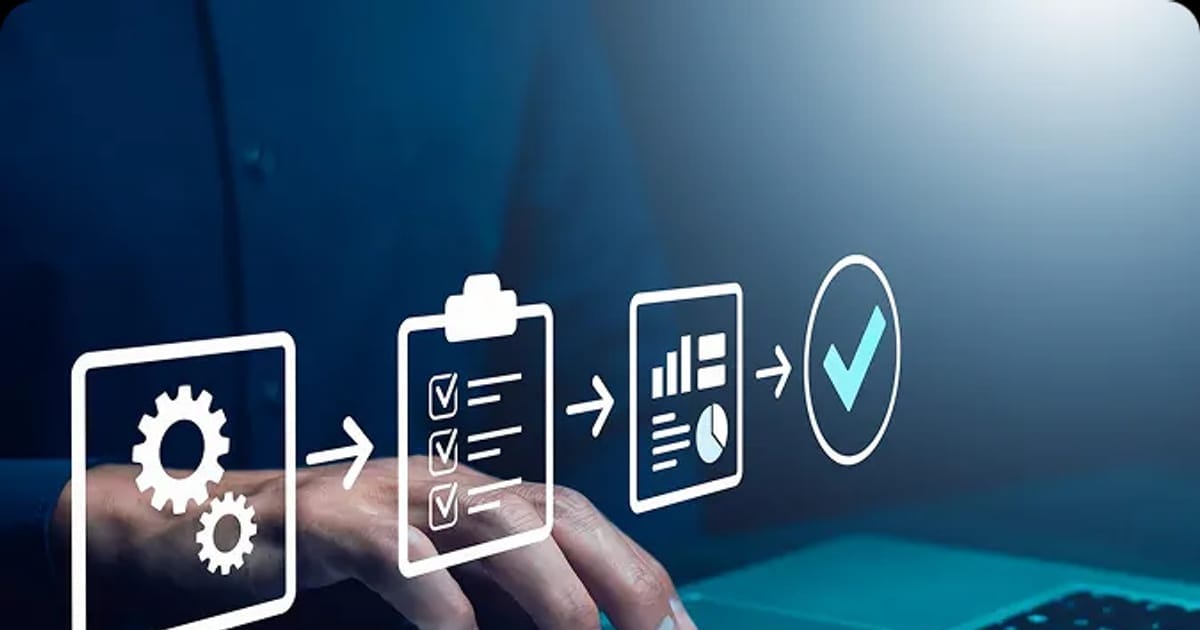
Business process automation works best when the underlying process is understood. Automating a confusing handoff makes mistakes happen faster; mapping it first often exposes steps that should simply be removed.
These six strategies keep automation projects practical and measurable.
1. Map the process before you automate it
Trace one request from beginning to end. Record who receives it, where data is entered, which decisions are made and which handoffs cause delays.
2. Remove steps before automating them
Every approval, copy and re-entry should earn its place. The cheapest automation is the step you delete.
3. Automate the rules, route the exceptions
Clear, repeatable rules are ideal for automation. Exceptions need review queues, thresholds or approval routing rather than fully automated decisions.
4. Integrate the systems of record
Connect the CRM, accounting platform, scheduling system and document store through supported APIs. Add safeguards for duplicate events, failed syncs and missing fields.
5. Start small and measure
Pick a high-volume, low-risk pilot with a measurable cycle time. Track manual touches, errors and turnaround before and after.
6. Give every automation an owner
Assign a process owner and set up alerts, logs, fallback procedures and monthly reviews. Unowned automations quietly break.
When to bring in workflow automation services
If your team keeps finding steps to automate but has no time to build them, workflow automation services can help you automate business processes safely. Good partners treat it as process optimization first and tooling second.
How Lynked Up can help
Our business process automation services follow these strategies, and we keep people involved where judgment, relationships and accountability matter. For AI-driven steps, see our AI automation services.
Frequently asked question
What is a good first automation?
A high-volume task with predictable inputs, low risk and a measurable cycle time is usually a sensible pilot.